Mobile Games Keep Growing: Why Players Keep Coming Back
Open a modern smartphone game and you might find graphics that once belonged on dedicated consoles, real-time multiplayer, global competitions, regular story updates, and communities containing thousands of players. Mobile gaming has changed dramatically from the days when phone games were mostly tiny distractions.
That evolution helps explain why Mobile Games continue attracting both casual users and more committed gaming audiences.
Industry engagement remains strong. Sensor Tower reported increases in mobile gaming revenue, time spent, and sessions during 2024, while Newzoo estimated the overall global gaming population at 3.6 billion players in 2025.
The attraction is no longer simply that phones are convenient. Mobile gaming increasingly combines accessibility with deeper experiences that keep evolving after players install them.
Mobile Gaming Has Become More Sophisticated
There used to be a clear difference between a “phone game” and a traditional video game.
That line is becoming much less obvious.
Today’s mobile titles can include detailed 3D environments, complex progression systems, voice acting, multiplayer battles, controller support, and large open worlds.
Apple’s 2025 Design Awards highlighted mobile games for areas including visuals, innovation, interaction, and technical achievement, demonstrating how sophisticated smartphone game design has become.
Better quality gives experienced gamers more reasons to take the platform seriously.
Casual Players Still Have Plenty of Choice
Improved graphics have not pushed simple games away.
Puzzle titles, word games, card games, match-three experiences, and other casual formats remain a major part of the market because they are easy to understand and can be played in short sessions.
Sensor Tower found that casual games were a major source of mobile gaming growth in Western markets during 2024.
This combination of simple and sophisticated experiences creates an unusually broad audience. A player does not need to consider themselves a “gamer” to enjoy playing something on a phone.
Social Gaming Creates Stronger Communities
Modern mobile titles increasingly encourage players to connect.
Multiplayer matches are the obvious example, but social design goes much further. Games can include clans, cooperative missions, friend challenges, ranking systems, tournaments, shared rewards, and community events.
Apple’s Games app, introduced with iOS 26, expanded social gaming features by allowing players to compare achievements, see shared gaming history, invite friends, and join multiplayer competitions more easily.
These features help transform a game from something people occasionally open into a place where friends regularly meet.
Live Updates Prevent Games From Feeling Finished
One of the biggest changes in modern gaming is that a successful title may never feel completely “finished.”
Instead of releasing a game and moving directly to a sequel, developers can keep expanding the existing experience.
A strategy game might receive a new season. An RPG can introduce fresh characters. A racing game can add vehicles, tracks, or limited-time competitions.
Sensor Tower notes that developers have placed greater emphasis on live services and existing games as maintaining established audiences becomes increasingly important.
For players, regular updates create curiosity about what will arrive next.
Cross-Device Gaming Adds More Flexibility
Mobile gaming is also becoming less isolated from other platforms.
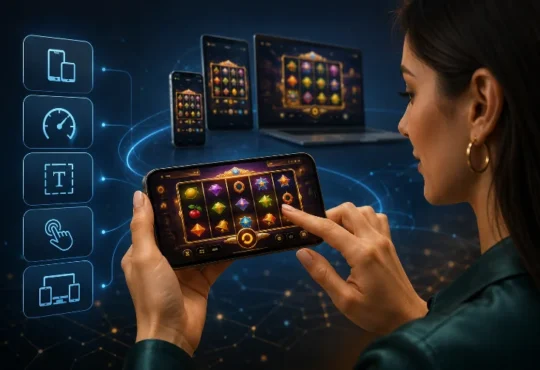
Google Play Games allows supported players to synchronize libraries and progress between mobile devices and PCs. Google says its broader gaming ecosystem includes more than 200,000 games across supported experiences.
This changes how people think about smartphone gaming.
Someone might play casually on a phone during the day and continue the same title on a larger PC screen later. The phone becomes one entry point into a connected gaming experience instead of the only place where the game exists.
Players Enjoy Gaming for More Than Competition
Games attract people for many different reasons.
Some enjoy winning competitive matches. Others want to relax, solve puzzles, experience stories, spend time with friends, or simply have something enjoyable to do during a quiet moment.
ESA research found relaxation, fun, mental stimulation, and social connection among the benefits people associate with gaming. It also found that gaming participation stretches across a wide range of ages.
Mobile platforms work particularly well for this diverse audience because players can choose exactly how seriously they want to engage.
The Industry Keeps Finding New Ways to Engage Players
The mobile market moves quickly because developers can experiment with new genres, business models, social systems, and technology.
Subscription gaming provides one example. Apple reported that Apple Arcade added more than 50 new games during 2025, offering another way for users to access mobile titles without relying entirely on individual game purchases.
Other games use free-to-play models, advertisements, premium purchases, seasonal content, or combinations of several approaches.
That variety gives players more choice over both what they play and how they access it.
The success of Mobile Games is no longer based on convenience alone. Smartphones have developed into capable gaming devices supported by sophisticated titles, casual experiences, multiplayer communities, frequent content updates, and increasingly connected platforms.
Players can spend five minutes solving a puzzle or hundreds of hours developing characters and competing with friends. That flexibility gives mobile gaming an unusually wide appeal.
As developers continue improving game quality and connecting mobile experiences with PCs and other devices, the category has plenty of room to evolve. Explore different genres, try new releases, and you may discover that mobile gaming offers much more variety than expected.